Operator. Veteran. Speaker. Husband. Father.
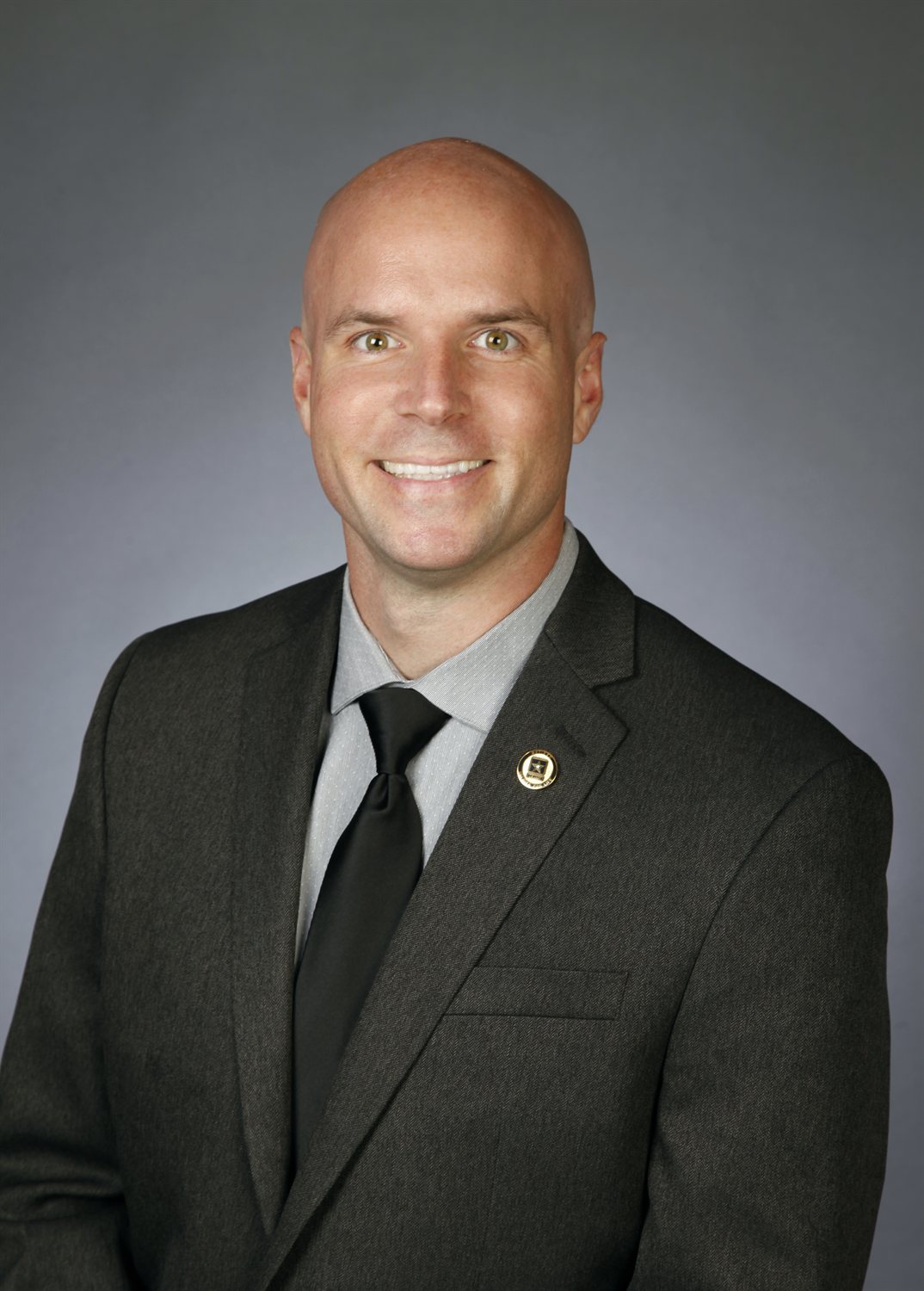
I grew up believing that work was supposed to be hard, but it was supposed to mean something.
Today I am a current Chick-fil-A Operator in Miami Shores, Florida, a keynote speaker, and the author of Frontline AI Leadership, which launches October 27, 2026.
I started at West Point, where I learned that systems are how people do things they did not think they could do. I commissioned into the Army, deployed to Afghanistan, and later supported elite military teams including SOCOM warfighters in a project management capacity. I was not one of those warfighters, but the experience shaped how I think about preparation, execution, and accountability. Then the Army sent me back to West Point, where I served as a course director and instructor in systems engineering from January 2018 to December 2018.
I will always be a West Point graduate. I am also a former West Point instructor. Those are different parts of the story, and both matter to me.
While I was teaching there, still on active duty, I was diagnosed with malignant melanoma. The Army medically retired me earlier than I planned to go. I did not walk away from that career; it was taken.
I moved my family to South Florida on March 5, 2020, essentially the same week COVID shut the country down.
To stay competitive for a Chick-fil-A operator selection, I went to work in a local Chick-fil-A restaurant. West Point instructor one year, working a shift the next. Then it became clear that COVID meant no new restaurants were being built, so I started applying for jobs.
I got 383 straight rejections. That was the lowest point of my life and I am not going to dress it up. Then one yes: a remote project management job with a telecommunications company, worked from my kitchen table. It was stable, it was comfortable, and I could have stayed in it.
I left it to operate a Chick-fil-A, because I wanted to build something where people, food, and service intersected with real numbers, and because a diagnosis has a way of making you honest about what you actually want your years to be for. Operating a high-volume restaurant teaches you what no leadership book can: the difference between what works in theory and what survives a Friday night dinner rush with three callouts.
Along the way I picked up an MBA and a PMP certification. I am currently finishing my DBA in business and leadership.
I began experimenting with AI as an operator, applying it to work inside my Chick-fil-A. My leadership practice includes using AI to keep individual goals in view and notice contributions I might otherwise overlook. The question I bring to that work is personal: what matters to this person, and how can I help them take the next step?
That focus is at the center of Frontline AI Leadership and the framework I teach: Machines do. Managers decide. Leaders develop.
My book, Frontline AI Leadership, releases . It helps leaders use AI to free up time, strengthen judgment, and develop people. Read the free introduction.
AI can help me prepare a question, consider another perspective, and keep a commitment in view. I still need to listen, check my assumptions, make the judgment, and follow through. The keynote applies that approach to coaching, recognition, difficult conversations, and developing the next leader.
That is the flagship idea I bring to people-intensive businesses, franchise systems, restaurants, hospitality, retail, distribution, field services, and leadership teams trying to use AI without losing the humans who make the organization matter.
Faith, family, and the people I lead are what I actually care about. AI is the tool I happen to use to serve them, and the time it gives back belongs to people, not more busywork. That is the Human Reinvestment Principle at the heart of Frontline AI Leadership. My mission is simple: glorify God with my life and have a positive impact on as many people as possible.
I live in South Florida with my wife Kari and our son. I limit my speaking calendar so every audience gets a customized keynote and a real partner, not a recycled deck.
If your team or conference is wrestling with how AI changes management, leadership, and frontline work, I would love to hear from you.